National Science Foundation
COMPASS Center
We are tackling the grand challenge of uncovering the genetic, molecular, cellular, and chemical rules of life underlying virus-host interactions through community-based and ethically grounded research.
Research
We bring together experts from Virginia Tech, Cornell University, the University of Michigan, and Wake Forest University to tackle the grand challenge of uncovering the genetic, molecular, cellular, and chemical rules of life underlying virus-host interactions through community-based and ethically grounded research. These research pioneers will train the innovators of tomorrow, converging around the four thrusts: Jump, Replicate, Persist, and Empower.

Recent News

VILLA Accepted to KDD 2026
Our manuscript, “VILLA: Versatile Information Retrieval From Scientific Literature Using Large LAnguage Models,” has been accepted to the KDD 2026 Conference (AI for Sciences track). The 2026 conference will take place August 9–13, 2026 in Jeju, Korea.
NSF Postdoctoral Researcher Appointed to PNAS Journal Club Panel
Hannah Brown, an NSF COMPASS postdoctoral researcher at the Virginia-Maryland College of Veterinary Medicine at Virginia Tech, has been appointed to serve a two-year term on the Journal Club Panel of the Proceedings of the National Academy of Sciences.
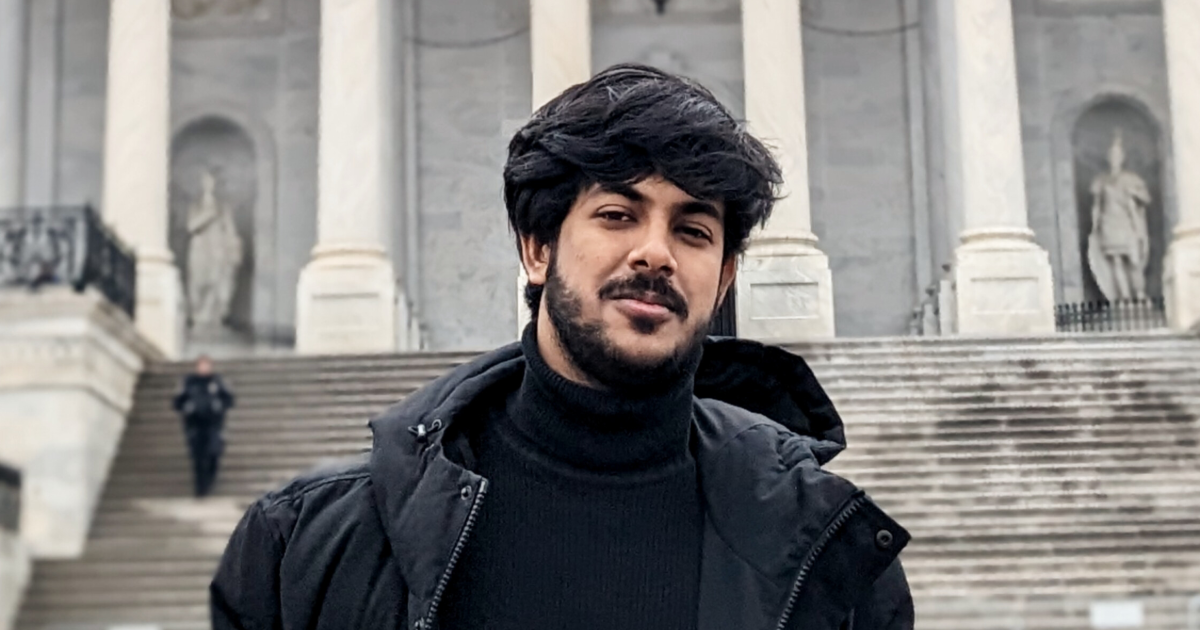
Amartya Dutta: Paving the way for new therapies using AI-assisted drug repurposing
The following story was written in Fall 2025 by Kylor Chou in ENGL 4824: Science Writing as part of a collaboration among the English department, the Center for Communicating Science, and the NSF COMPASS Center.
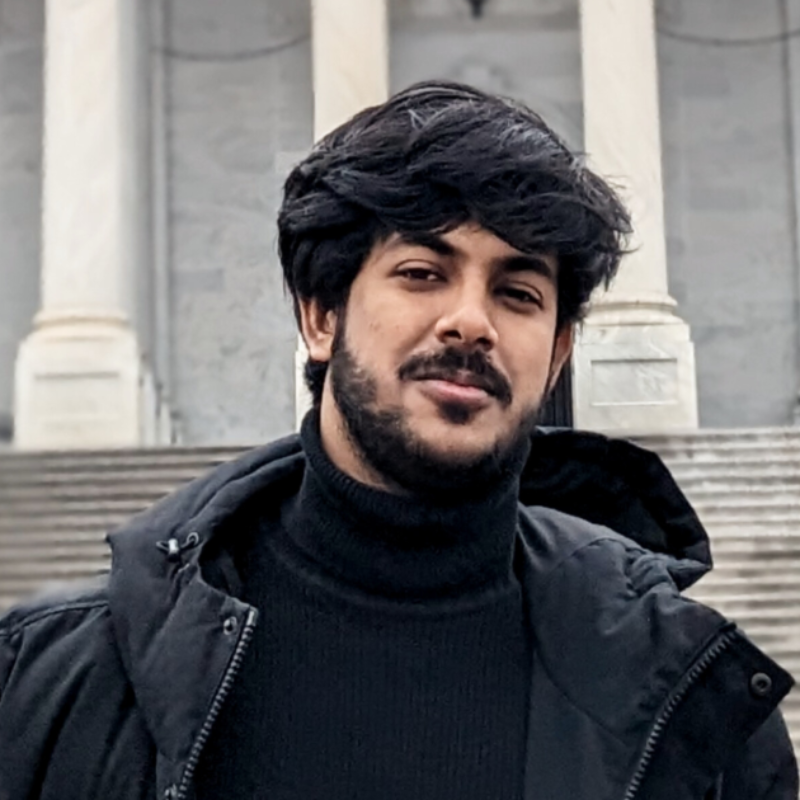
Student Spotlight
Amartya Dutta: Paving the way for new therapies using AI-assisted drug repurposing
The following story was written in Fall 2025 by Kylor Chou in ENGL 4824: Science Writing as part of a collaboration among the English department, the Center for Communicating Science, and the NSF COMPASS Center.
Read The Article